Slough Children First

A hands-on approach to help children in Slough be Safe, Secure and Successful

  • Home
  • What We Do
    • Adoption
      • Placing your child for adoption
      • Tracing birth family
      • Intercountry Adoption
      • National Adoption Week 2024
      • Home is where the start is
    • Exploitation and Youth Justice Service
    • Fostering
    • Kinship
      • About kinship care
      • Why become a kinship carer?
      • Support and FAQS
      • Forums and events
      • Events gallery
      • Further links and resources
      • Contact the kinship team
    • Local Authority Designated Officer
    • Our Social Work Model
    • Private Fostering
    • Short Breaks
      • Breakaway
      • Breakaway Gallery
    • Social Work Academy
      • Routes into Slough Children First
      • Contact the Social Work Academy
    • Targeted early help
    • Virtual School
      • Who we are
      • PEPs
      • Post-16 support
      • Pupil Premium
      • Activities and events
      • Adoptopers and SGOS
    • Slough Safeguarding Partnership
  • Who We Are
    • News
    • Events
    • Our Values
    • Our Ofsted Journey
    • Our Partners
    • Reports & Publications
    • Information Requests
    • Compliments & Complaints
    • Contact Us
  • Children & Young People
    • Being in care
      • Children & YP’s guides to being in care
    • Who is Involved in My Care?
    • About Advocacy
    • Young People’s Zone
      • YP Interview Panels
      • Care Council
    • Slough’s Local Offer for Care Leavers
      • What is the Local Offer?
      • Your money
      • Your home
      • Education training and employment
      • Fun and leisure
      • Health and wellbeing
      • Your voice matters
      • Contact Us
      • Useful contacts
    • My Reviews
    • Feedback on your experience
    • Young people at risk of homelessness
  • Join us
  • Concerns for a Child
You are here: Home / What We Do / Kinship / Support and FAQS

Support and FAQS

What do Special Guardians need to know about managing contact?

During the Special Guardianship Assessment, it is essential that contact, also referred to as family time, is explored with particular care and consideration. If not thoughtfully considered, contact arrangements can lead to significant conflict and place substantial strain on both the special guardians and their wider family network.

At Slough Children First, our contact service provides tailored advice and guidance on establishing and managing contact arrangements outside a supervised setting. Our support extends to both special guardians and parents, with individual sessions offered to each party. This inclusive approach ensures that all involved are supported in facilitating safe, positive, and meaningful family time moving forward.

Why can contact be difficult for Special Guardians?

Special Guardians may face a range of challenges regarding contact arrangements.

Being asked to supervise contact between a child and a family member or close friend can place the guardian in a particularly difficult and emotionally complex position. This dynamic can often feel uncomfortable and may lead to tensions. However, by maintaining clear boundaries and approaching the situation with confidence and a focus on the best interests of the child or young person, contact can be managed constructively and has the potential to develop positively over time.

How much contact should there be?

During the care planning process for a child’s permanency, the level of contact that can be realistically maintained will be carefully considered.

Additional key factors relating to the management of contact with extended family members, whether paternal or maternal, will depend significantly on the nature and location of the child’s placement. It is vital that all contact arrangements are both appropriate and achievable in practice.

It is essential that children and young people are provided with the opportunity to maintain meaningful relationships with their birth family, where it is safe and appropriate to do so. These connections can play a crucial role in supporting the child’s identity, emotional well-being, and sense of continuity.

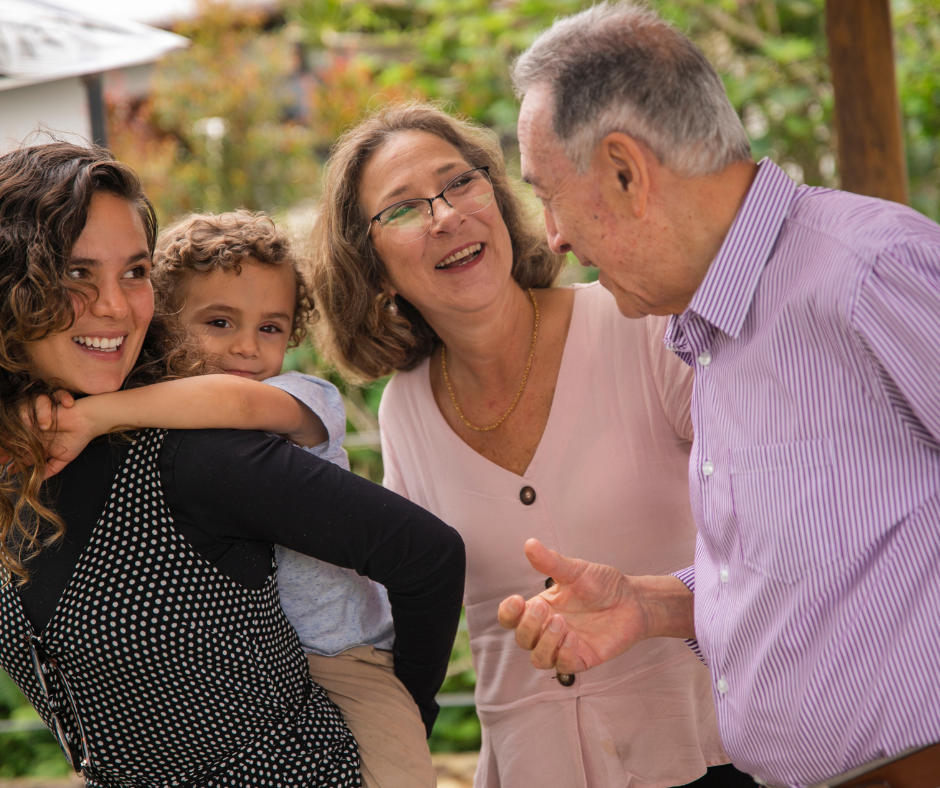
Multi generational family sitting on a sofa smiling
Kinship homepage
About kinship care
A Granddad holding his granddaughter on his shoulders
Why become a kinship carer?
A woman helping children with their homework
Private fostering
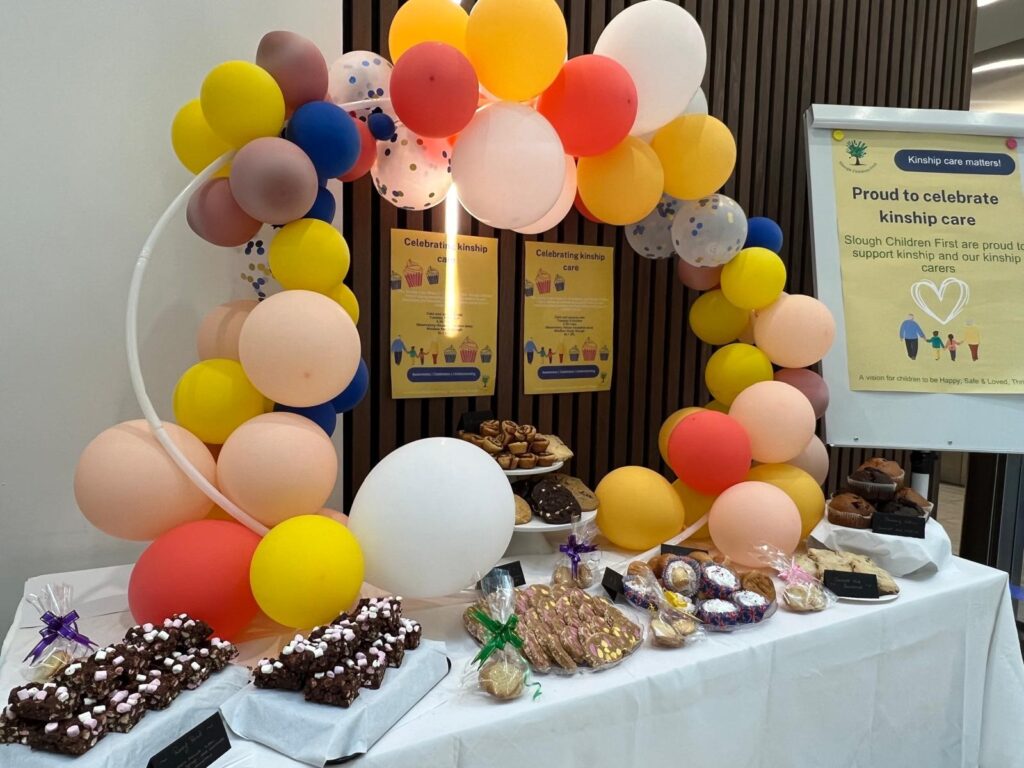
Cake and a balloon garland
Forums and events
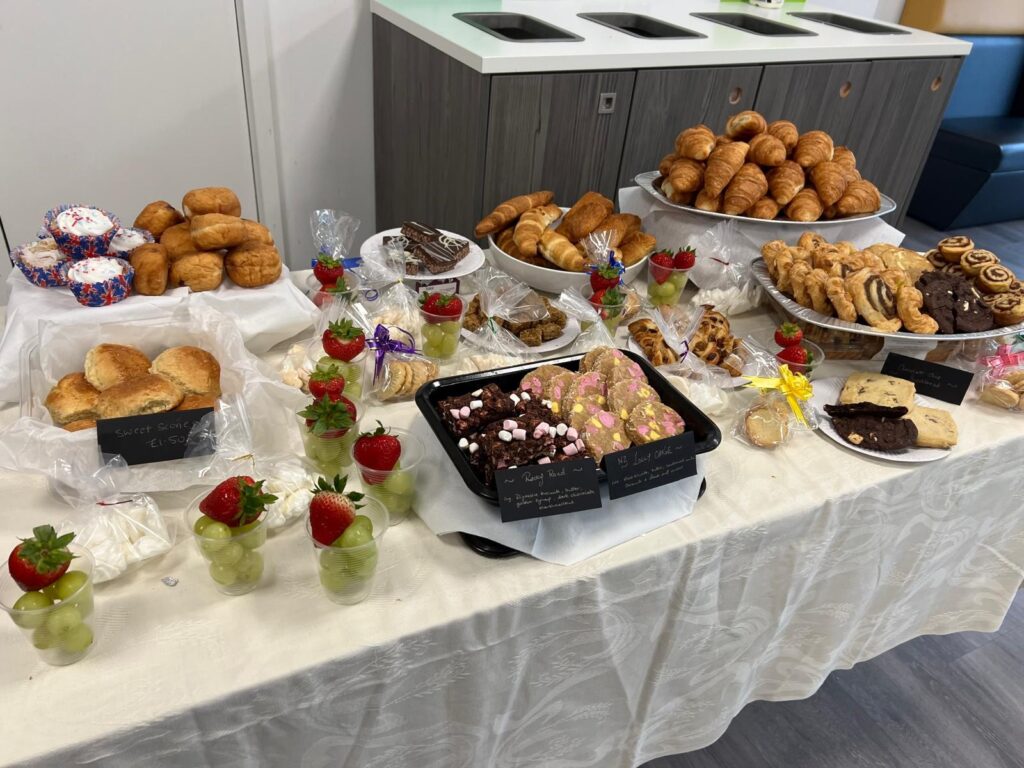
Events gallery
A woman reading a child a book
Further links and resources
A man and woman looking at a laptop
Contact us

Further Information

  • News
  • Our Partners
  • Our Values
  • Privacy Policy
  • Reports & Publications

Recent Posts

  • Slough’s children’s services accept findings from Ofsted focused visit and inconsistencies to be acknowledged
  • A Christmas dinner to remember for our care leavers
  • Another ‘outstanding’ for Breakaway after Slough Children First’s short breaks home rated by Ofsted
  • Foster with Slough celebrates carers at 2025 Carers Awards
  • Slough Children First shortlisted at NLCBF’s PA of the Year awards

Address

Slough Children First
Observatory House
25 Windsor Road
Slough
Berkshire
SL1 2EL

General enquiries: 01753 477321
Concerns about a child: 01753 875362

Follow Us

  • Facebook
  • Instagram
  • LinkedIn
  • Twitter

© 2026 · Slough Children First

Menu
Home
About
Contact